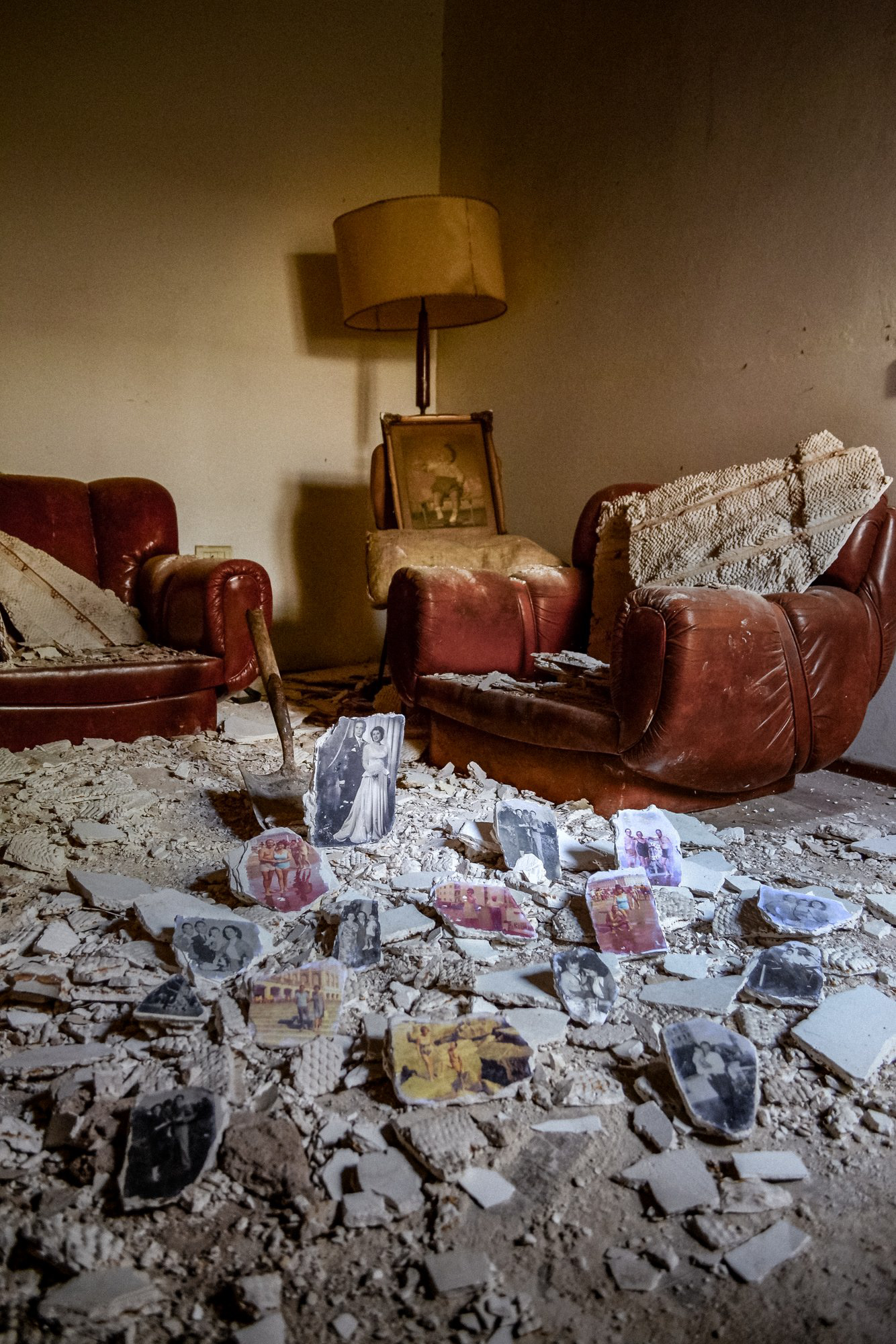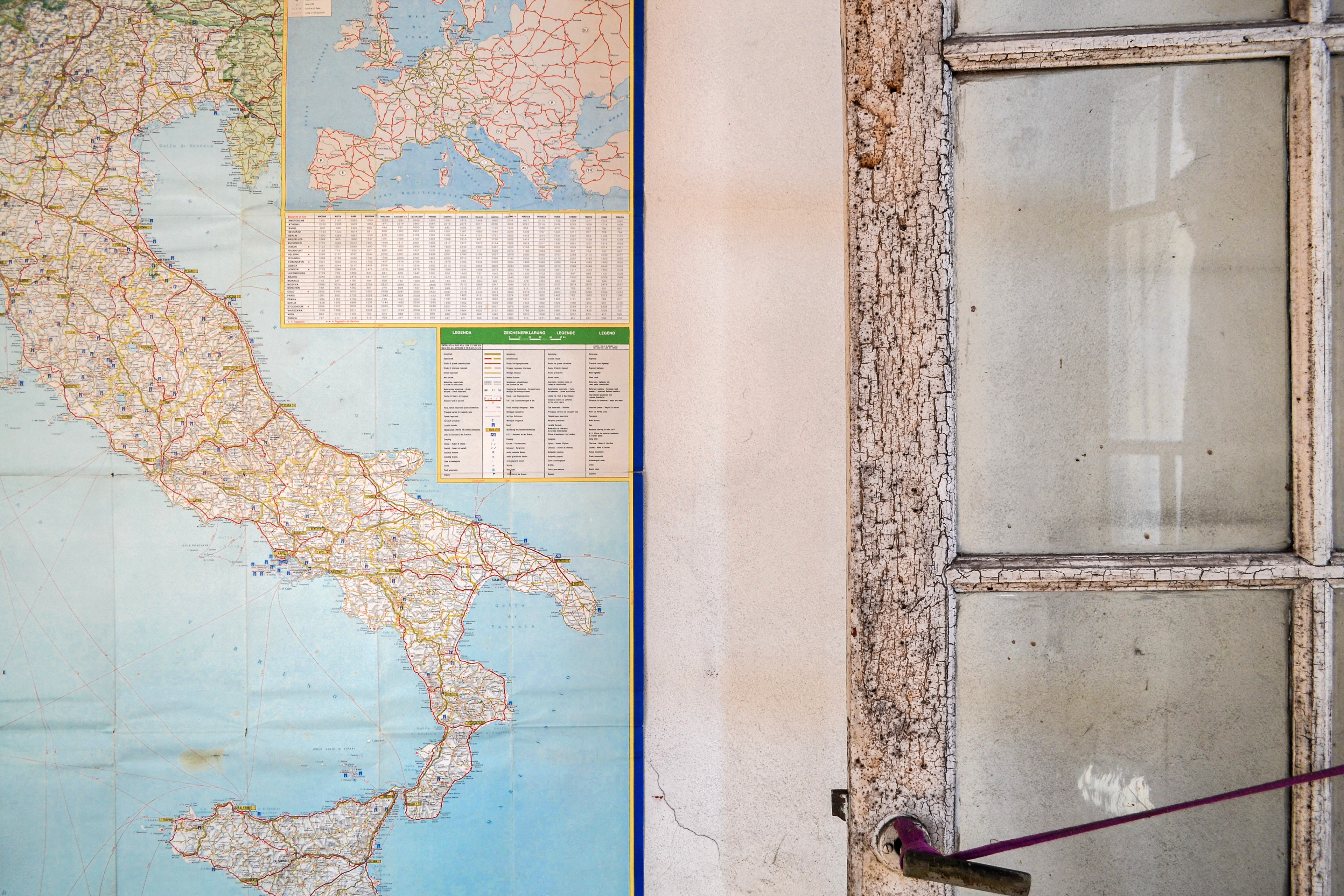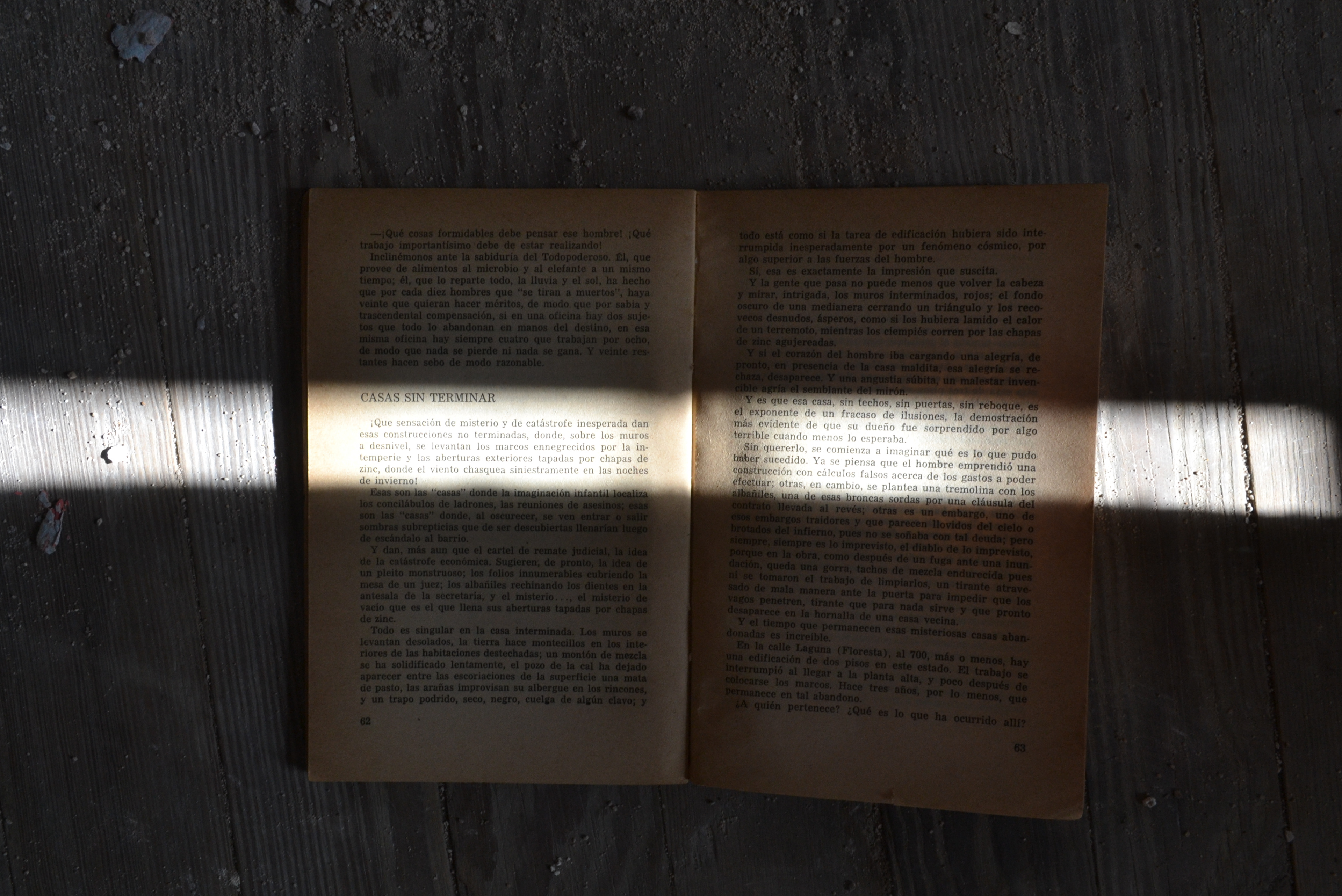
La casa construida por mis abuelos, Lina y Genaro —inmigrantes italianos que se asentaron en Buenos Aires a mediados del siglo XX— fue el hogar donde nació mi padre Hugo, y donde también crecí parcialmente. Con el tiempo, dejó de ser únicamente una vivienda para convertirse en imprenta, el oficio que mi padre ejerció hasta sus últimos días.
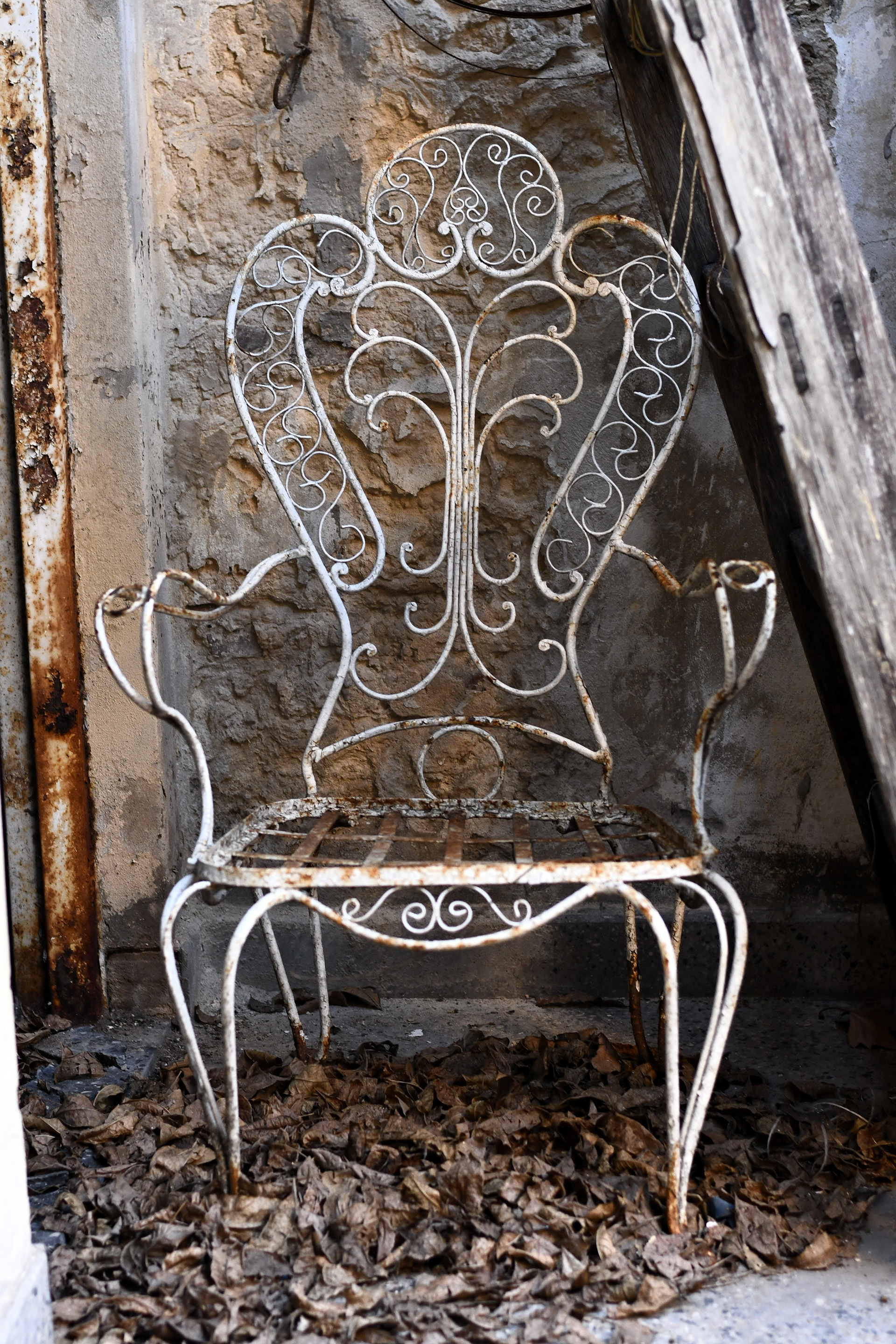
Hoy, ninguno de ellos está conmigo, y la casa se ha convertido en una ruina, a punto de ser demolida. Con ella desaparece el ancla material de cuatro generaciones. Frente a esta pérdida, me pregunto cómo puede mantenerse viva la memoria cuando sus huellas físicas se desvanecen.
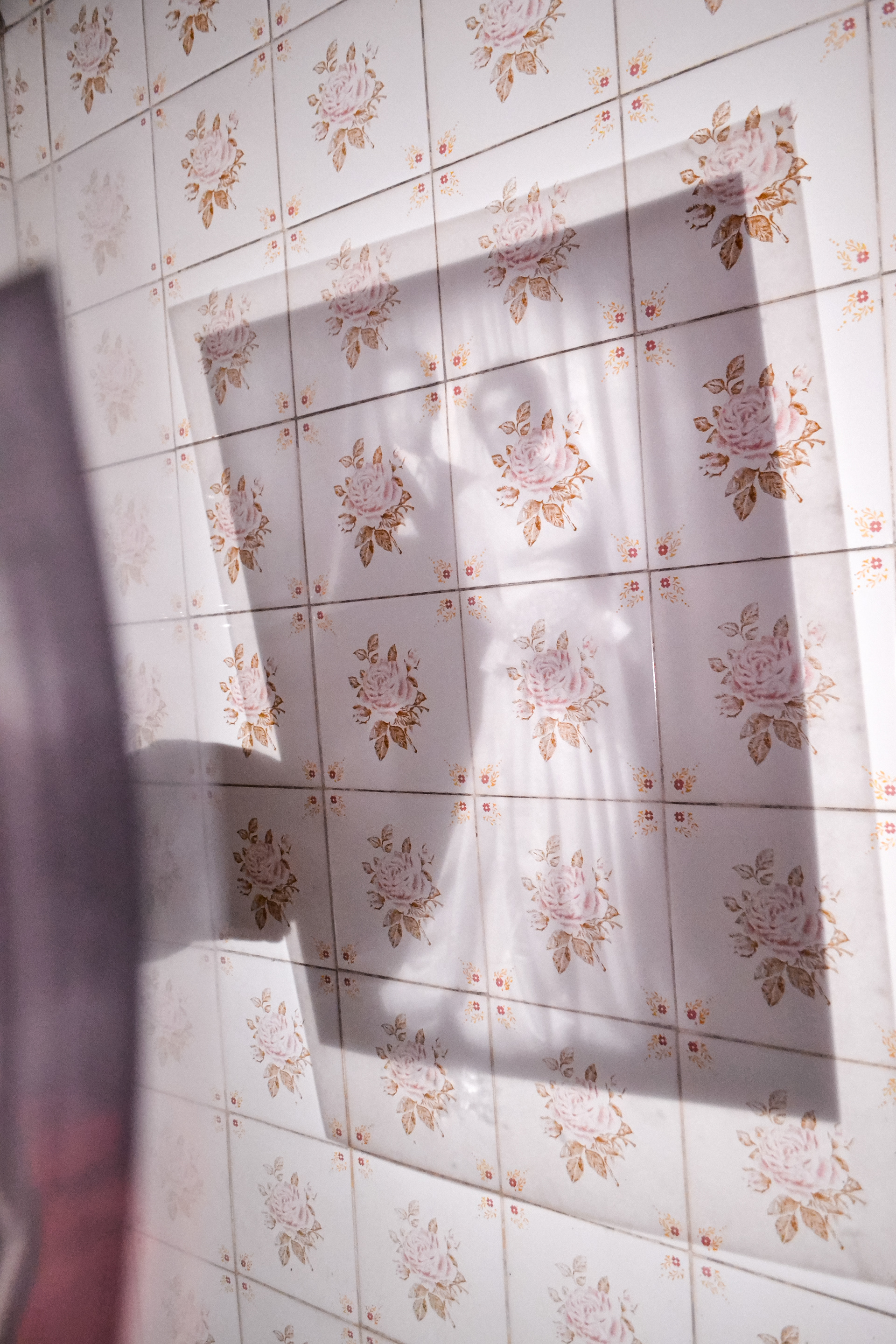
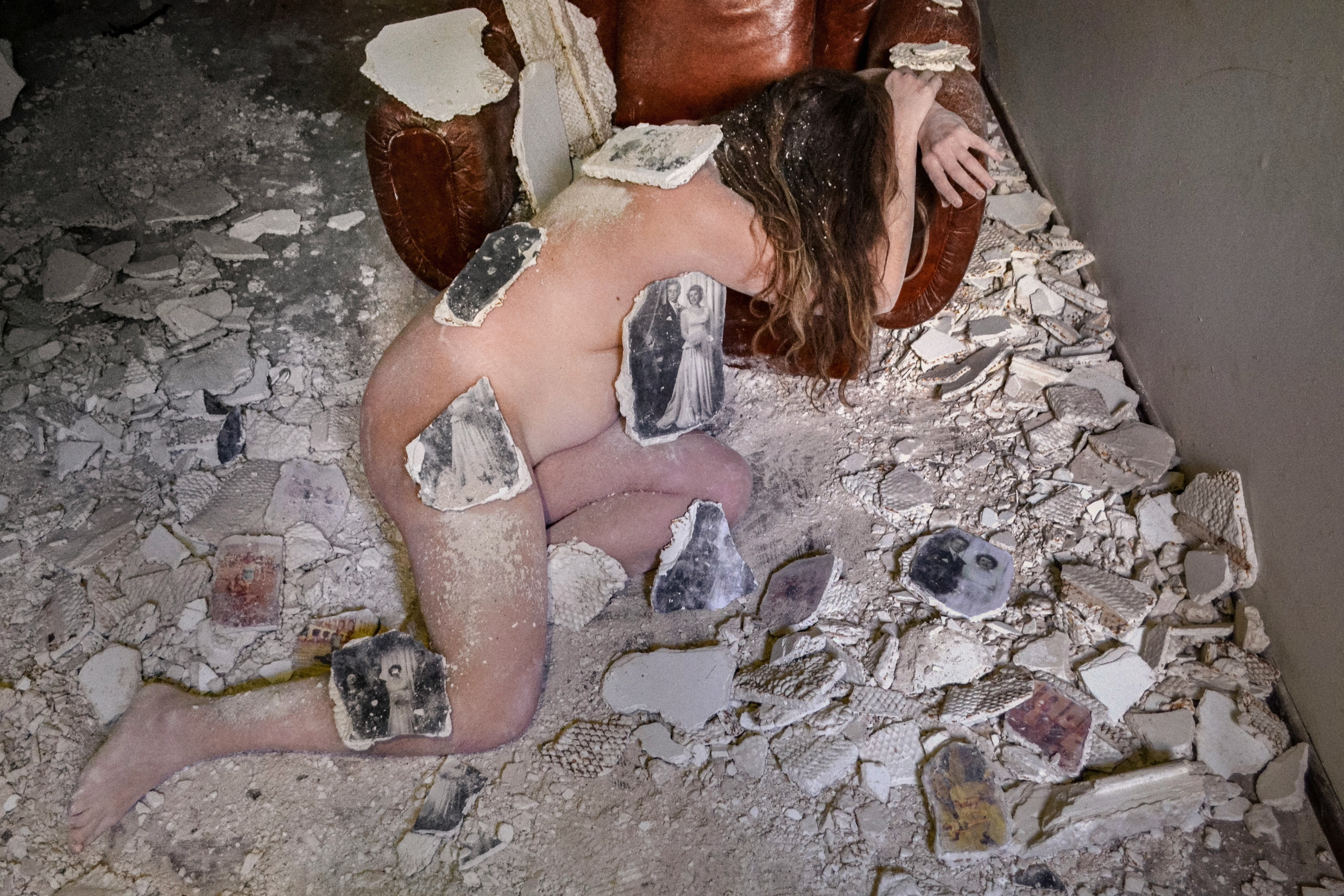
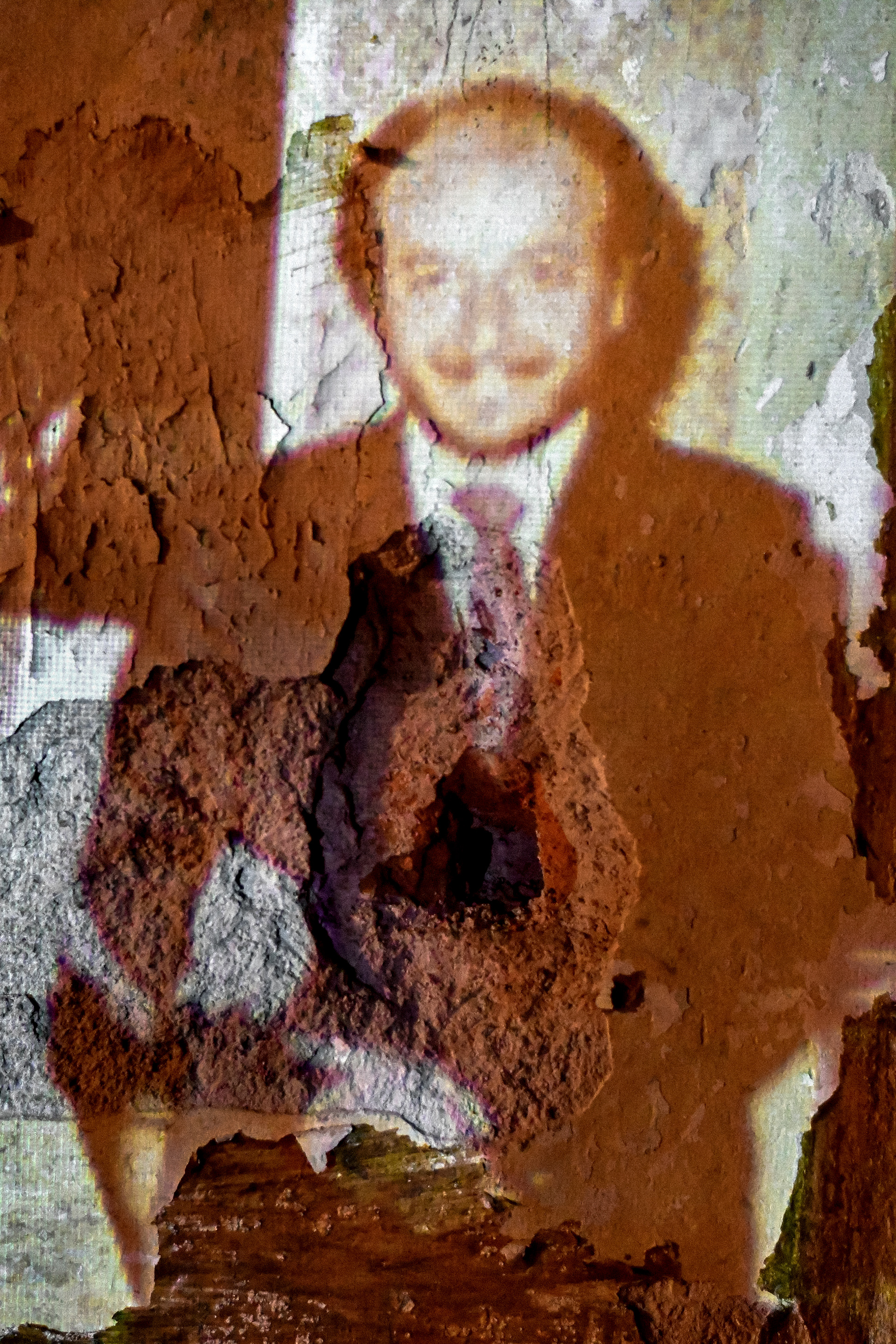
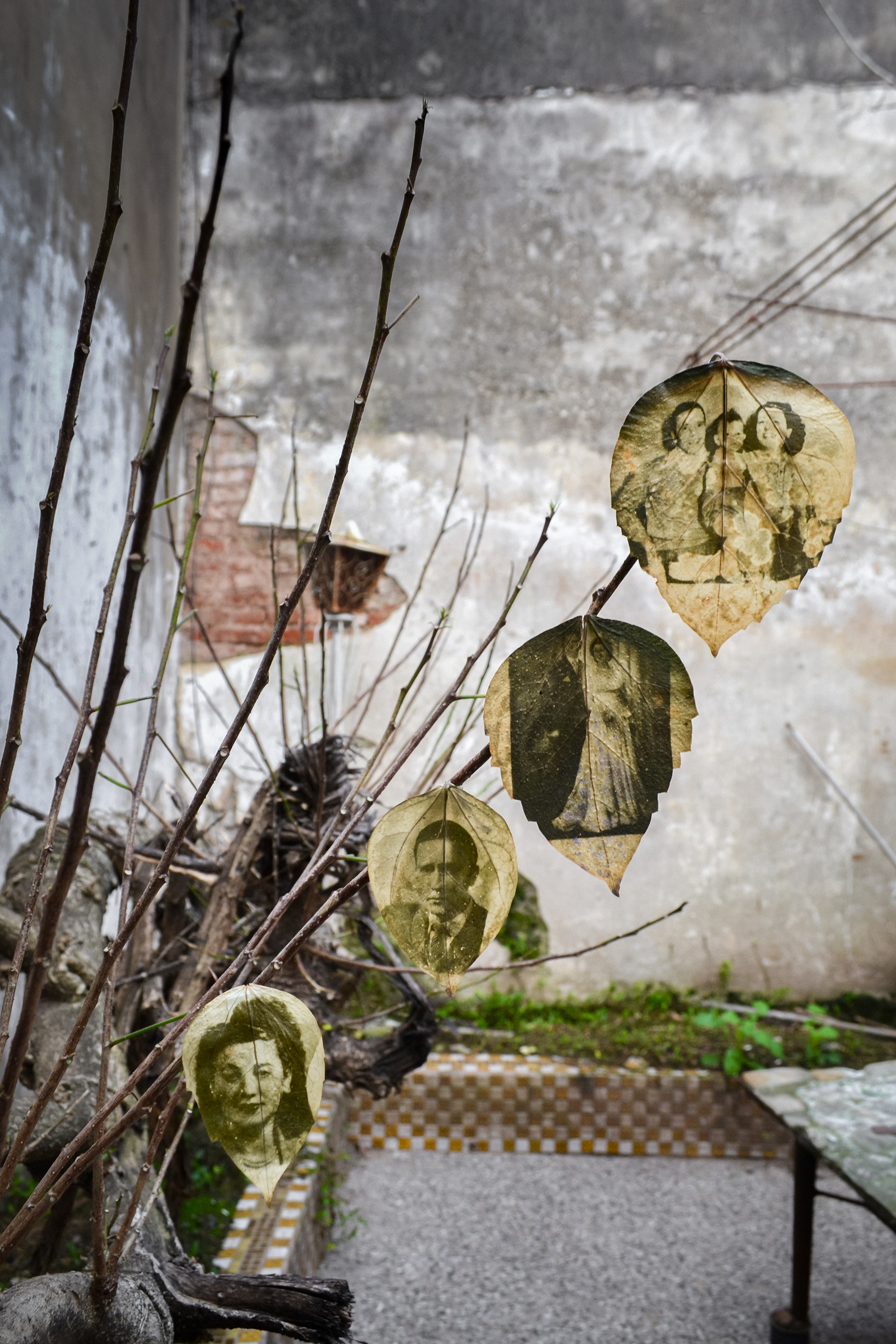
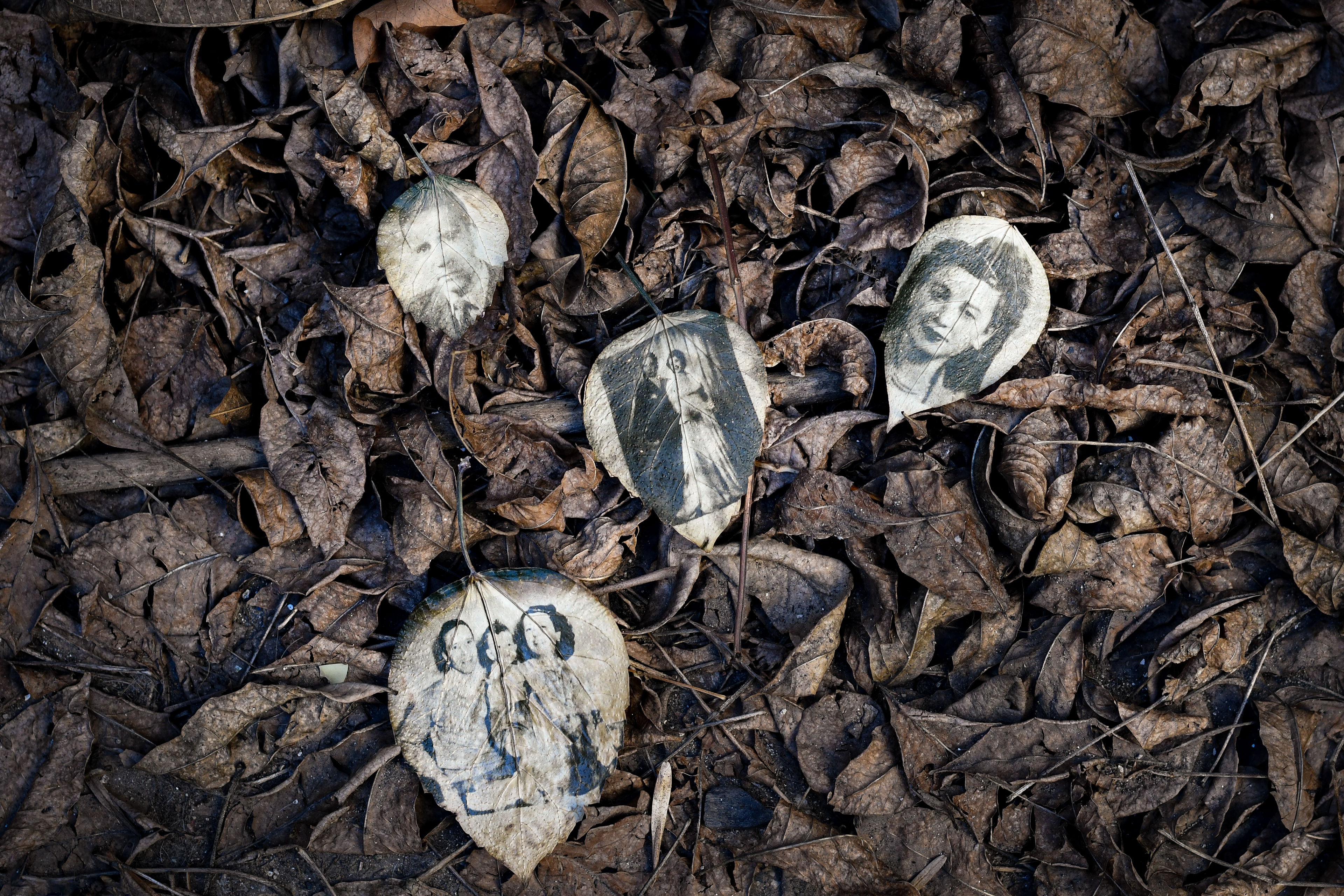
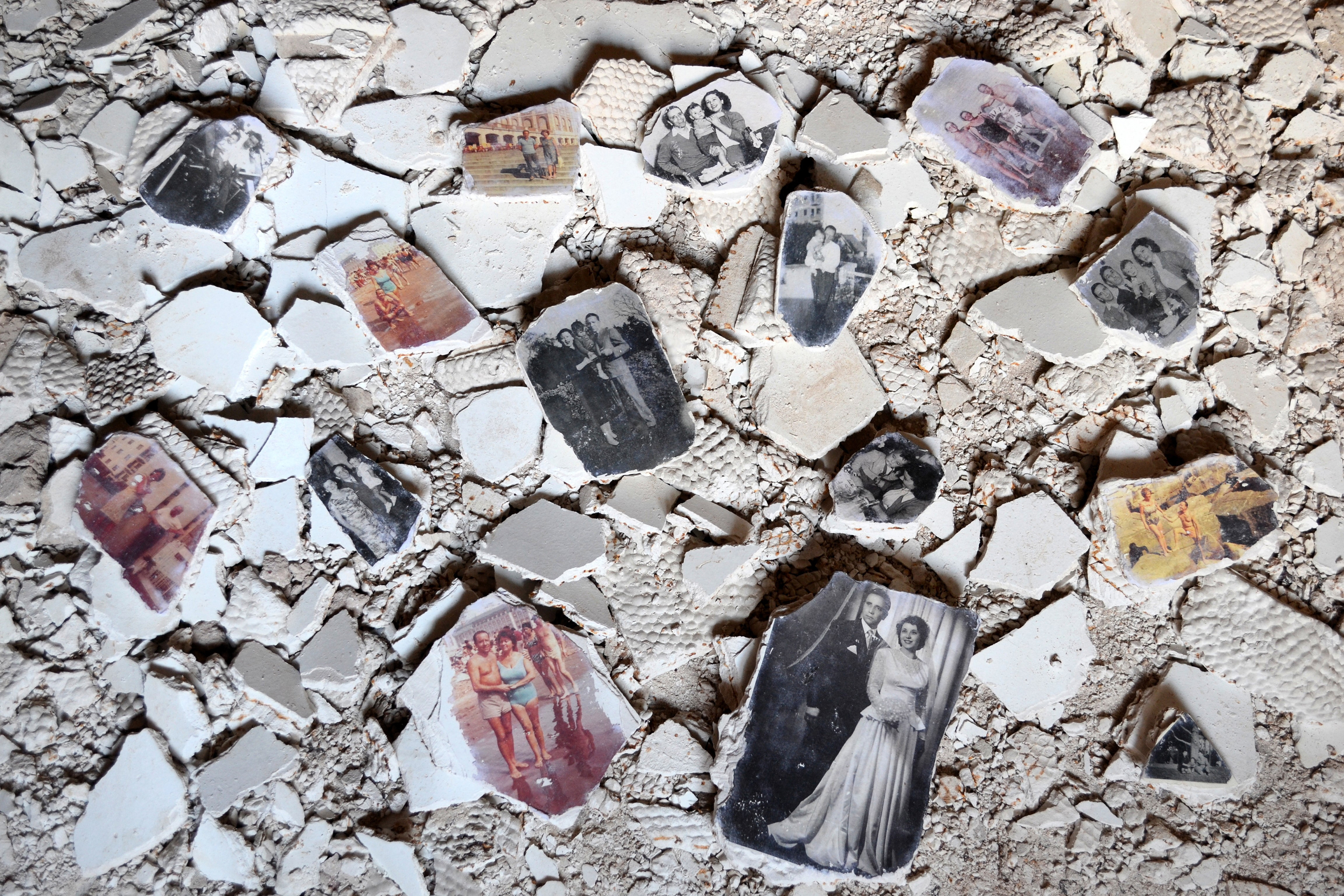
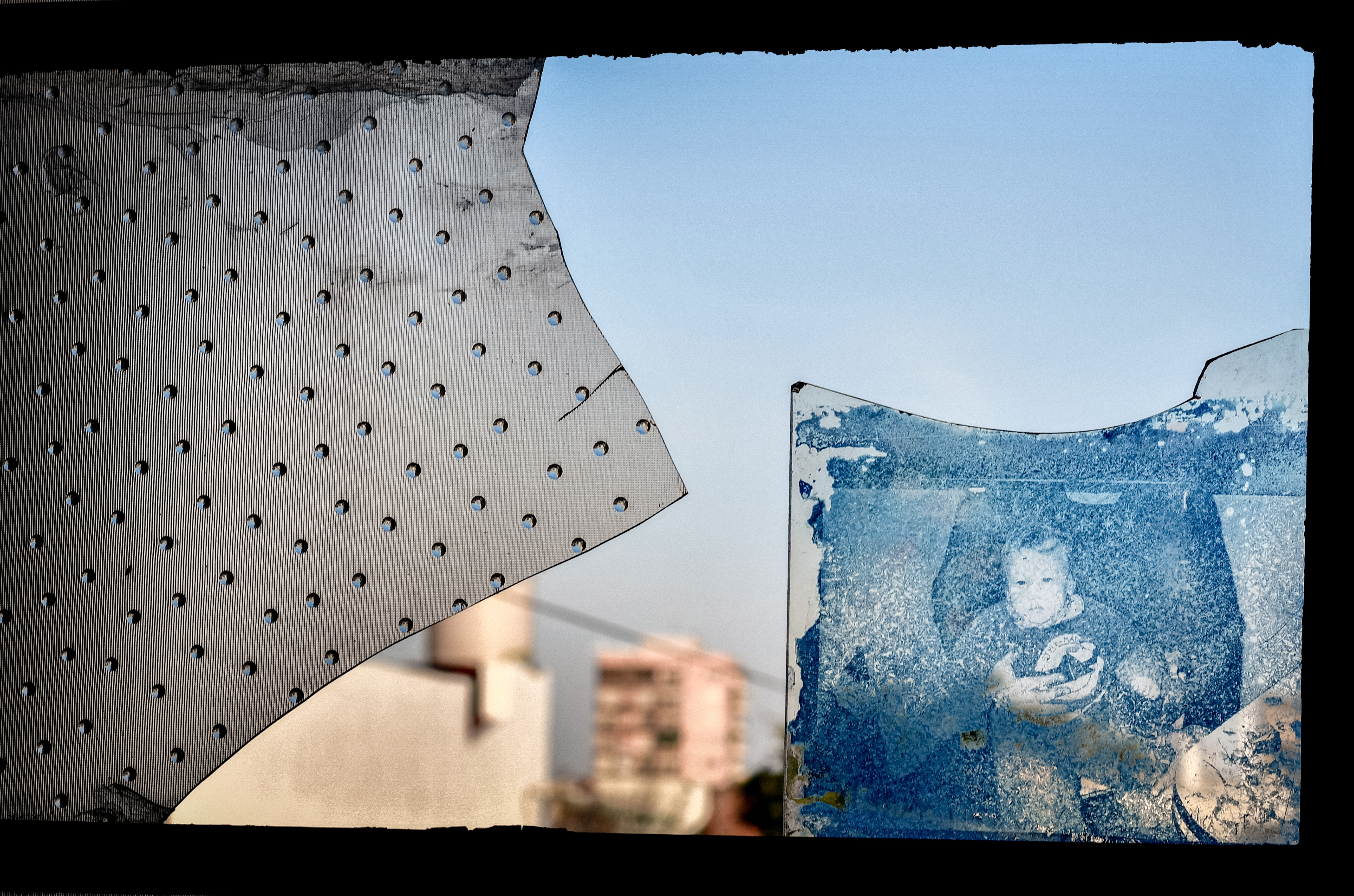
Durante años el vínculo con mi padre estuvo roto; sin embargo antes de su muerte logramos reencontrarnos, enseñándome que incluso bajo las ruinas —simbólicas y materiales— es posible rescatar algo valioso. Frente a esta transformación del paisaje habitado, comienzo a recoger fragmentos y a explorar las superficies de la casa como matrices sensibles: los techos y paredes que construyó mi abuelo, ahora caídos; las hojas secas del árbol que plantó mi abuela; ventanas rotas, polvo y pequeños objetos domésticos..
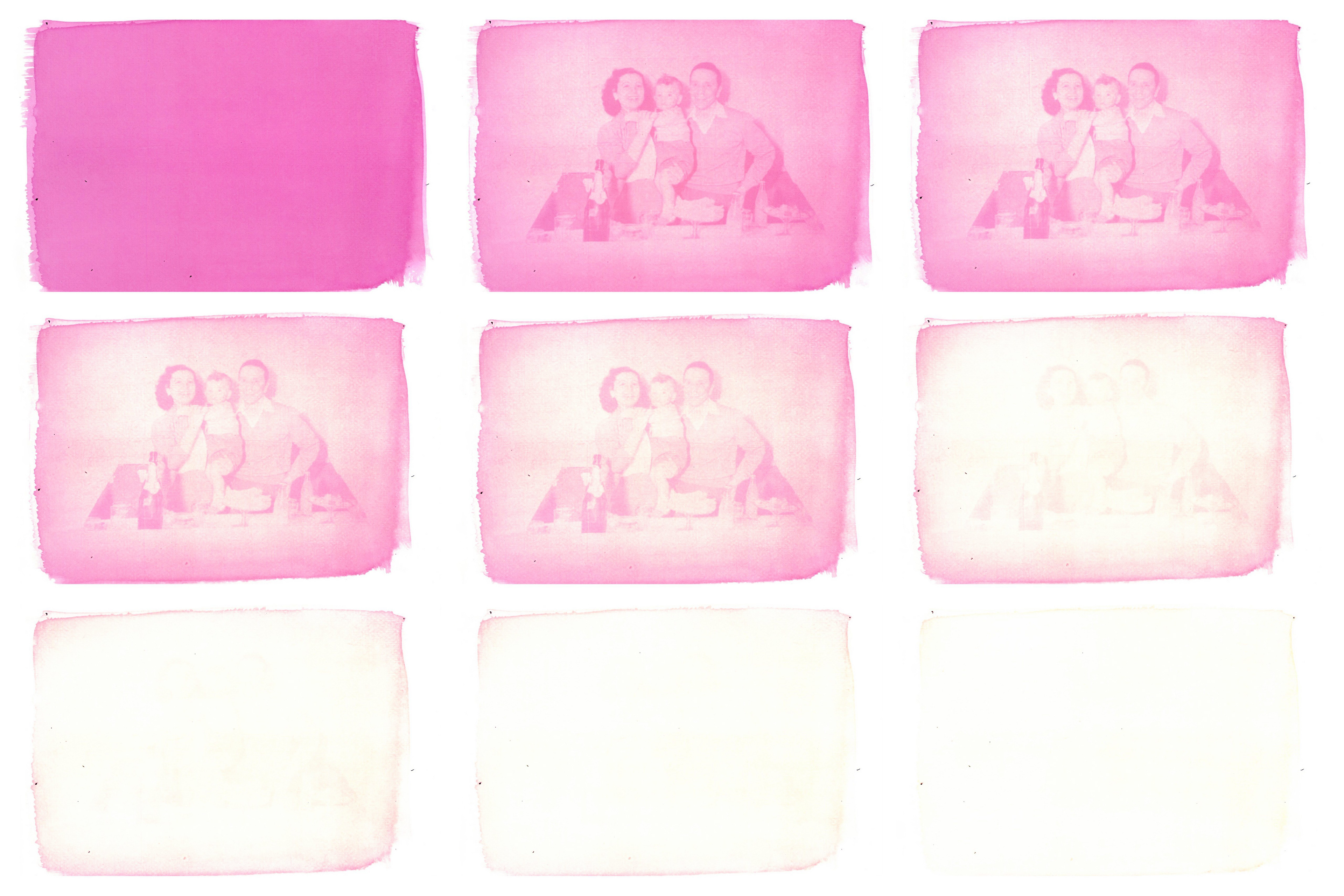
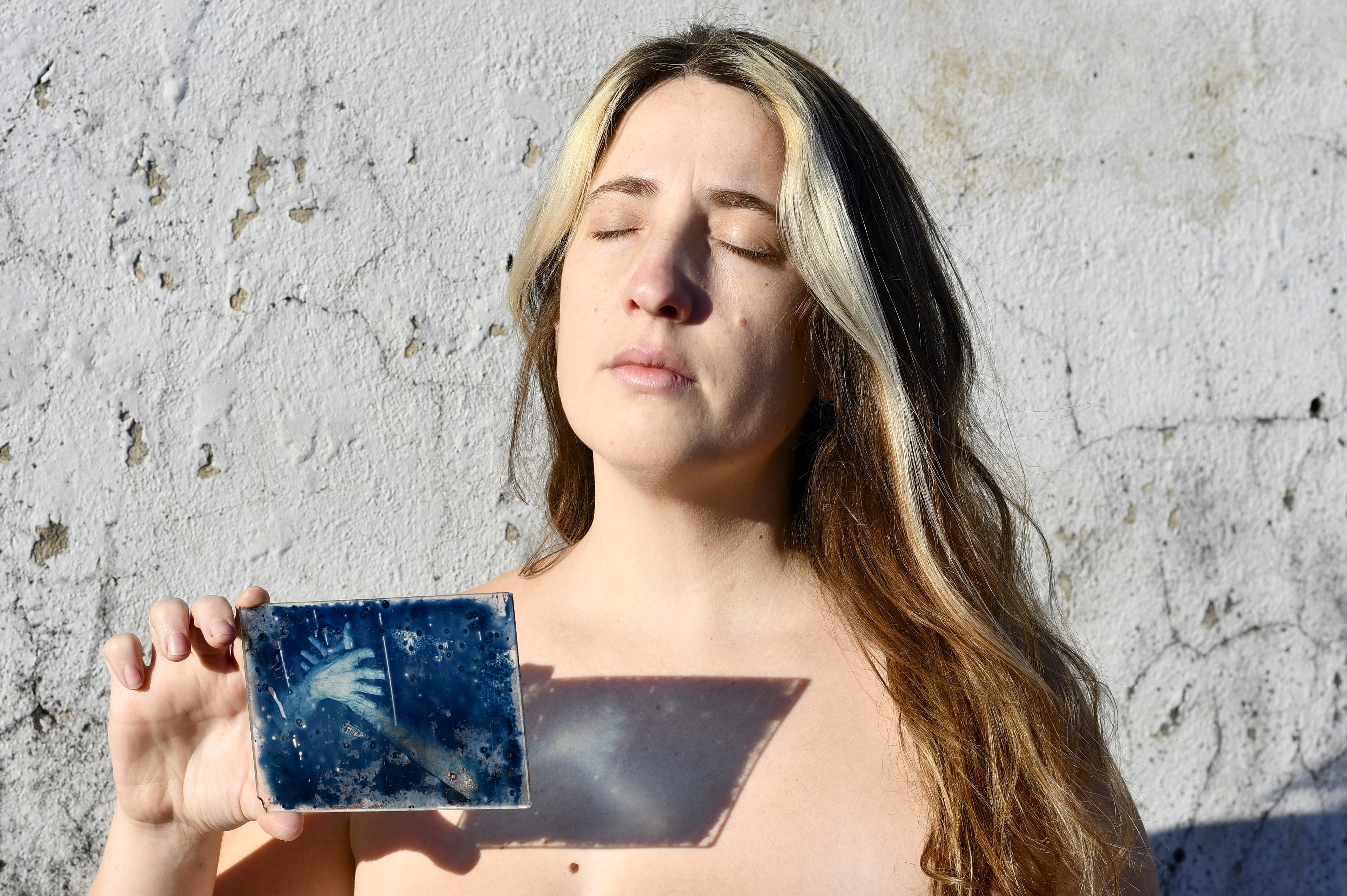
Trabajando entre ruinas, la fotografía se vuelve un acto táctil moldeado por la luz: imprimir es presionar, dejar marca, transferir. En ese gesto heredado, la casa deja de ser únicamente un lugar de pérdida para convertirse en un espacio de transformación. Entre los escombros encuentro amuletos: formas que guardan rastros mientras siguen cambiando. La memoria sobrevive no en la preservación, sino en la posibilidad de volver a reimprimirse, en la superposición de lo que fue, lo que perdura y lo que continúa reimaginándose.
Fotografías digitales medidas de 40x30cm y/o 30x40cm.
(EN)
The house built by my grandparents, Lina and Genaro—Italian immigrants who settled in Buenos Aires in the mid-20th century—was the home where my father, Hugo, was born, and where I also partially grew up. Over time, it ceased to be solely a domestic space and became a print shop, the trade my father practiced until his final days.
Today, none of them are with me, and the house has become a ruin, on the verge of demolition. With it, the material anchor of four generations disappears. In the face of this loss, I ask how memory can be sustained when its physical traces begin to fade.
For years, my relationship with my father was fractured; however, before his death, we were able to reconnect, teaching me that even beneath ruins—both symbolic and material—something valuable can be recovered. In response to this transformation of the inhabited landscape, I begin to collect fragments and explore the surfaces of the house as sensitive matrices: the ceilings and walls built by my grandfather, now collapsed; the dry leaves of the tree planted by my grandmother; broken windows, dust, and small domestic objects.
Working among ruins, photography becomes a tactile act shaped by light: to print is to press, to leave a mark, to transfer. Through this inherited gesture, the house shifts from a space of loss into one of transformation. Among the debris, I find amulets—forms that retain traces while continuing to change. Memory survives not through preservation, but through its ability to be reprinted, in the layering of what has been, what endures, and what continues to be reimagined
Digital photographs measuring 40x30cm or 30x40cm.